Saturday, July 28, 2012
Chapter 6
In the final chapter, we are exposed to a whole new side of beliefs that play a strong minority in the prison world. In this case, we are given a summary of the efforts and initiatives that defense attourney Brian Stevenson has worked on throughout his extensive career. The main thing he is concerned with is prisoner representation. He explains that many times, inmates responsible for serious crimes like murder are"victimized", and are given little chance to redeem themselves for the good people they actually are. Brian especially touches ground on people of the poor and the colored, who are surrounded by violence and crime every day. He critisizes the justice system by saying that "it's their identity, not their crime that puts them on the row." Bottom line, when a crime is commited, justice must be served. If a person meaningly takes the life of another, they should not be given a second chance to live their own with freedom.

Thursday, July 26, 2012
Chapter 5
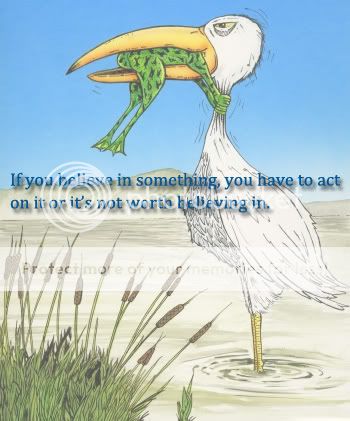
In this chapter, Susan Kuklin interviews the brother and sister of William Jenkins, who was robbed and murdered while closing up at a fast-food resturaunt. The interview takes place in Mary's dorm room (Williams sister), which makes me justify that this was not an easy interview to arrange. What's surreal about this murder case, is that Williams family ended up pleading for the life of his killer. Williams family doesn't believe in Capital Punishment, simply because they don't think its fair to make the friends and family of a suspect suffer for his/her actions. Mary sais in the interview that "if you believe in something, you have to act on it or it's not worth believing in." So far, this has been the most prominant point that I have come across while reading this book, and I will definitley make sure it's something that I will take away.
Monday, July 23, 2012
Chapter 4
This chapter is much shorter than all of the others, and offers a completley new approach. The author does a report on a man named Napoleon Beazley, who was already executed by the Death Penalty. Instead of getting feedback from the suspect, Susan Kuklin goes to Napoleon's old house to interview his mom and younger brother about the story behind Napoleons murder. Napoleons brother, Jamaal, and his mom, Rena, made some pretty strong allegations that pointed fingers at the people that ran his trial. First of which, in the beggining of the interview, Jamaal makes the claim that had his brother not killed the father of a Supreme Court justice, and rather a low-class citizen, he would have only gotten three years in jail. Napoleons laywer goes on to say that race was an additional factor in his trial. He then critisizes the court for choosing a juror who at the time was president of the local branch of the United Daughters of the Confederacy, and gives her a racist title. Bottom line, Napoleon took the life of another human being, and was punished to the full extent of the law. In a crime as survere as murder, exscuses should not be made about the person he was, but rather what he did.
Friday, July 20, 2012
Chapter 3, Part 2
Nanon continues to describe actually how brutal high-level security prisons are. If you don't cooperate, your bum rushed and beaten by gaurds, and your only allowed one hour out of your cell a day. When peoples sentences are so high, they have nothing to lose and will do anything for entertainment. Normal activity includes inmates yelling and screaming all day to throwing urine and feicies at one another. Even for a prisoner, Nanons demeanor in such an auful situation is very inspring. He lives a terrible terrible life and still manages to inspire people through his writing all over the United States. The criminal appeals justices turned down a one and a half page order for a new trial, that contained specific facts that he may infact be innocent. The question now is, what's the next for step his laywers?
Thursday, July 19, 2012
Chapter 3, Part 1 (Continued)
While looking at the book, I just noticed that Nanon makes up the front cover. Also, The title "No Choirboy", was taken from his book Still Surviving. It is said by Nanon while he say's that he is innocent: "I am no choirboy, and yes, I am guilty of many things, but not for killing anyone." Both the title and front cover show his signifigance towards the author. Other than having faith in god, the thought of innocent people being on Death Row is one of the hardest things that I try to comprehend. It's mind blowing when you think of someone that did not commit the crime, but will die for it.
From reading his past, Nanon seems like he's not the person that killed another man. He had a decent future in football, and was an all around athletic jock. The amount of moving he did probably had alot to do with him assosiating with the wrong crew. I am amazed that his brother was able to graduate from Notre Dame, even though his family was on welfare. Nanon was extremely blessed, and it's amazing how he threw it all away.
From reading his past, Nanon seems like he's not the person that killed another man. He had a decent future in football, and was an all around athletic jock. The amount of moving he did probably had alot to do with him assosiating with the wrong crew. I am amazed that his brother was able to graduate from Notre Dame, even though his family was on welfare. Nanon was extremely blessed, and it's amazing how he threw it all away.
Wednesday, July 18, 2012
Chapter 3, Part 1
In terms of information, backround, and sequence of events, this is definitley the best chapter I have read so far. The chapter is comprised of letters written from Susan Kuklin (author) and Death Row inmate Nanon Williams. The one-on-one interview between Susan and Nanon is what makes this chapter feel so real. Susan does alot of preperation to get the perfect interview, and journalizes a great deal of detail from the moment she arrives at the prison. Nanon is also the author of two books, Still Surviving and The Darkest Hour, which both share 4+ star ratings on Amazon.com. As a person who is never exposed to the outside world, Nanon has done an excellent job of creating a name for himself on the web. His name composes a plethora of information from articles and biographies, to updates of his status on death row.
Nanons books on Amazon.com
http://www.amazon.com/Still-Surviving-Nanon-M-Williams/dp/097197621X/ref=sr_1_1?s=books&ie=UTF8&qid=1342663110&sr=1-1&keywords=still+surviving
http://www.amazon.com/Darkest-Hour-Nanon-M-Williams/dp/0971976201/ref=sr_1_2?s=books&ie=UTF8&qid=1342663192&sr=1-2&keywords=the+darkest+hour+nanon+williams
Nanons books on Amazon.com
http://www.amazon.com/Still-Surviving-Nanon-M-Williams/dp/097197621X/ref=sr_1_1?s=books&ie=UTF8&qid=1342663110&sr=1-1&keywords=still+surviving
http://www.amazon.com/Darkest-Hour-Nanon-M-Williams/dp/0971976201/ref=sr_1_2?s=books&ie=UTF8&qid=1342663192&sr=1-2&keywords=the+darkest+hour+nanon+williams
Chapter 2, Part 2
The biggest picture that this chapter drives is how Mark succumbed to homosexual actvity, even though he was completley against it during his first years in prison. He used to get into serious fights against grown men when they would try to make a move on him. He has now become vulnerable to these activities, because he is tired of feeling lonly. Towards the end of the chapter, Mark explains how he is not the same person that murdered a man when he was 14 years old. He still has faith that he may get out, but what are the circumstances?
Mark is under a life-and-ten sentance. http://definitions.uslegal.com/p/parole/
With good behavior, he may be eligible for a supervised release. Chapter 6 is labled "Dying for Legal Assistance: Roy's and Mark's Lawyer." Im excited to read more about his future and chances of being released.
Mark is under a life-and-ten sentance. http://definitions.uslegal.com/p/parole/
With good behavior, he may be eligible for a supervised release. Chapter 6 is labled "Dying for Legal Assistance: Roy's and Mark's Lawyer." Im excited to read more about his future and chances of being released.
Subscribe to:
Comments (Atom)